Pigmentation Treatment at a glance
Pigmentation treatment aims to lighten dark spots, tan, melasma and uneven skin tone by reducing excess melanin and speeding up healthy skin renewal. At Srihouse Luna we combine suitable chemical peels, microneedling, brightening facials and daily skincare advice into one plan for your skin type. Most clients need a course of sessions plus daily sunscreen.
Common types of pigmentation
- Sun tan and sun spots from everyday sun exposure.
- Melasma, the brown patches on the cheeks, forehead and upper lip often linked to hormones.
- Post-inflammatory pigmentation, the dark marks left after acne or irritation.
- Dark patches around the mouth, neck and underarms.
Our approach
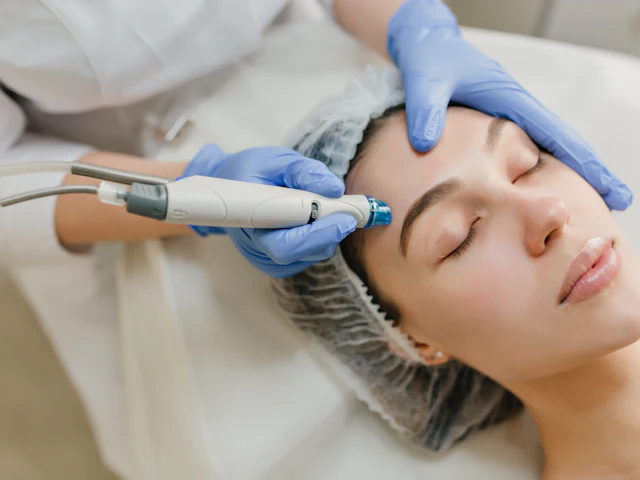
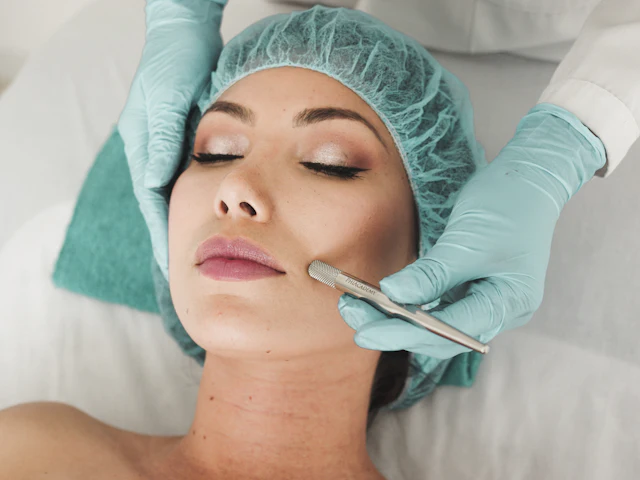
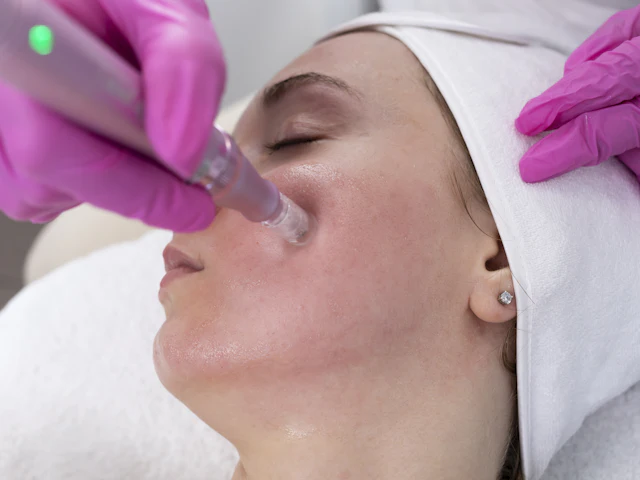
We first identify the type of pigmentation and what is triggering it, such as sun exposure, hormonal changes, thyroid or PCOS, or reactions to products. Your plan may combine glycolic, lactic or TCA peels, microneedling with brightening serums, oxygen or HydraFacial sessions and a simple home routine.
What to expect
Pigmentation fades gradually, with visible improvement usually after six to twelve weeks. Melasma can return with sun or hormonal changes, so maintenance sessions and daily sunscreen are part of every plan.
Benefits of Pigmentation Treatment
- Lightens dark spots and tan
- Evens out overall skin tone
- Fades acne marks
- Brightens dull skin
- Builds a routine that prevents new pigmentation
Who is Pigmentation Treatment for?
- Sun tan and sun spots
- Melasma
- Acne marks and post-inflammatory pigmentation
- Uneven skin tone
- Dark patches on the neck and around the mouth
How the treatment works
Diagnose
We identify the type, depth and triggers of your pigmentation.
Plan
We choose the right mix of peels, microneedling and facials.
Treat
Sessions are spaced to let the skin renew safely.
Maintain
Sunscreen, home care and maintenance sessions protect results.
Pigmentation Treatment: frequently asked questions
Can pigmentation be removed permanently?
Many types of pigmentation can be lightened significantly. However, new pigmentation can form with sun exposure or hormonal changes, so ongoing sun protection is essential.
How long does pigmentation treatment take?
Most clients see visible improvement after six to twelve weeks of regular sessions, with the full plan often lasting three to six months.
Is melasma treatable?
Melasma can be controlled and lightened well with the right peels, skincare and sun protection, but it can return, so it needs gentle long-term care.
Which treatment is best for pigmentation?
It depends on the type and depth of pigmentation and your skin type. Often a combination of peels, microneedling and home care works better than any single treatment.
Results vary from person to person. Session numbers and timelines are typical guides that we confirm at your consultation. Read our medical disclaimer.