PRP Treatment at a glance
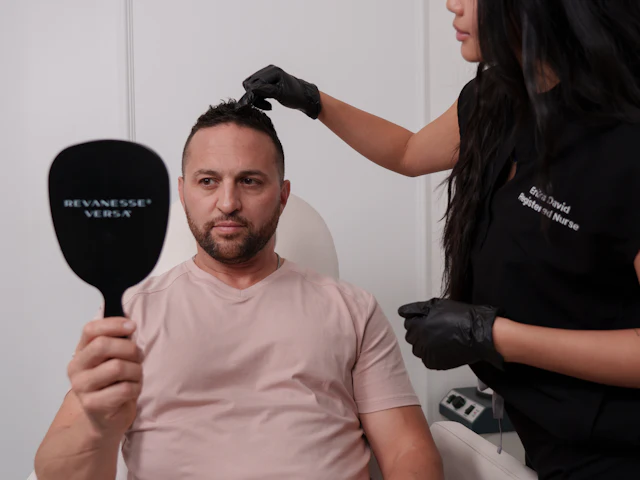
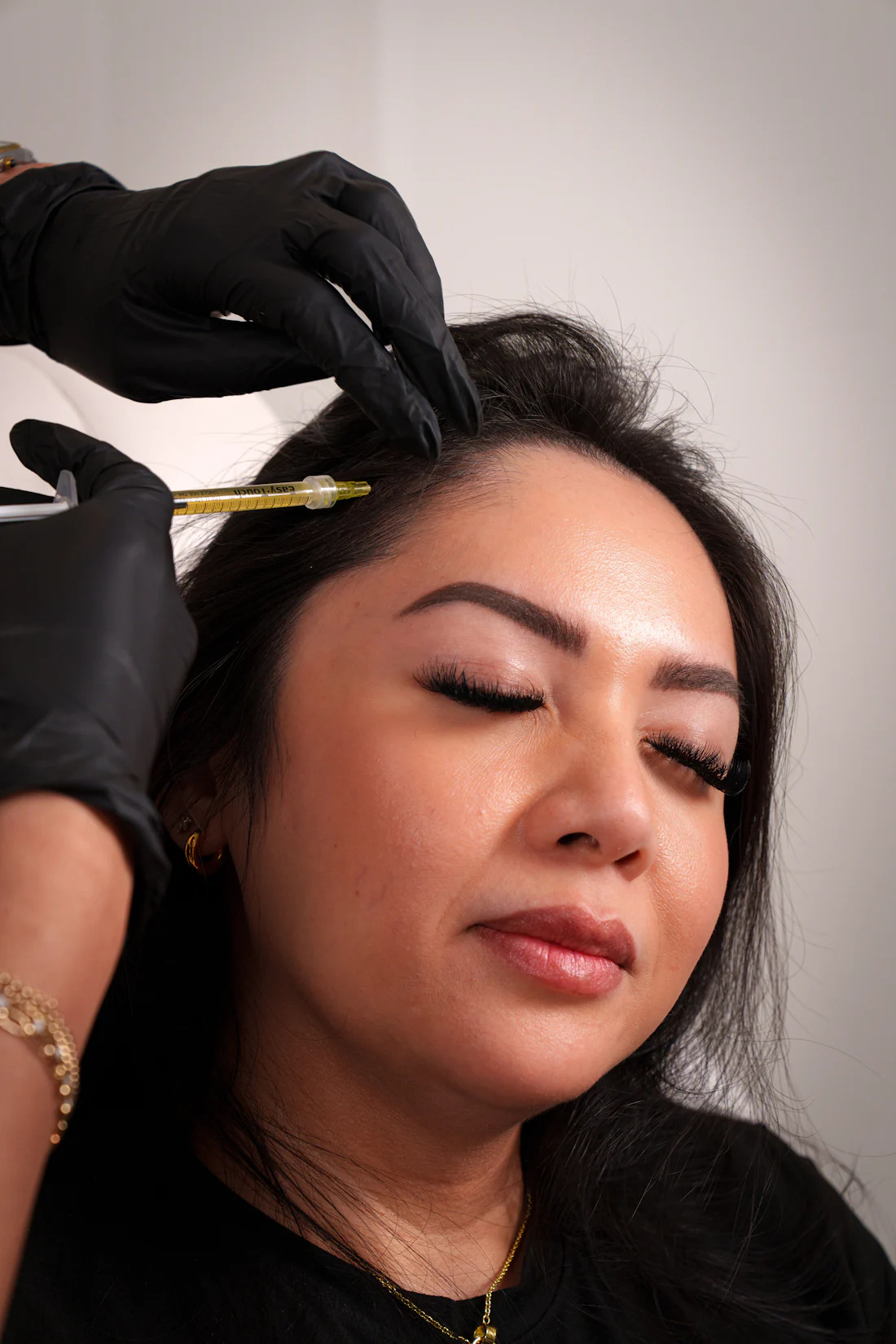
PRP (platelet-rich plasma) hair treatment uses a small sample of your own blood, which is spun in a centrifuge to concentrate the platelets. This growth-factor-rich plasma is then introduced into the thinning areas of the scalp to nourish weak follicles, reduce hair fall and support thicker regrowth. A typical course is 3 to 6 sessions, about a month apart.
How PRP works
Platelets carry natural growth factors that help the body repair and regenerate tissue. When concentrated plasma is delivered to the scalp, these growth factors help wake up weak hair follicles, extend the growth phase of the hair and improve the thickness of existing strands.
The PRP procedure
A small amount of blood is drawn, much like a routine blood test. It is processed in a centrifuge to separate the platelet-rich plasma. After numbing the scalp, the plasma is introduced across the thinning areas using very fine needles. The whole session takes about an hour.
Results and aftercare
Many clients notice reduced shedding after the first two or three sessions, with better density over three to six months. Avoid washing your hair for 24 hours and avoid heat styling, colouring and heavy exercise for a few days. Maintenance sessions every four to six months help sustain results.
Benefits of PRP Treatment
- Uses your own natural growth factors
- Reduces hair fall
- Strengthens thin, weak hair
- Supports new hair growth
- Minimal downtime
Who is PRP Treatment for?
- Early to moderate hair thinning
- Male and female pattern hair loss
- Widening partition or thinning crown
- Hair fall after stress or illness
How the treatment works
Assess
We check hair density and confirm PRP is right for you.
Draw and prepare
A small blood sample is spun to concentrate the platelets.
Treat
The plasma is delivered into the thinning areas after numbing.
Aftercare
Simple scalp care instructions for the next few days.
PRP Treatment: frequently asked questions
Is PRP hair treatment painful?
We apply numbing cream before treatment, so most people feel only mild pricking and pressure. The scalp may feel tender for a day.
How many PRP sessions are needed?
Usually three to six sessions spaced about four weeks apart, followed by maintenance every four to six months.
Who should avoid PRP?
PRP may not be suitable if you have a blood or platelet disorder, take blood thinners, have an active scalp infection, or are pregnant. We review this at your consultation.
Is PRP better than GFC?
Both use growth factors from your blood. GFC is more concentrated and often needs fewer sessions, while PRP is a well-established option. We recommend the one that suits your hair and budget.
Results vary from person to person. Session numbers and timelines are typical guides that we confirm at your consultation. Read our medical disclaimer.